

NATURE FIRST · BARF KNOWLEDGE
What Is BARF?
Raw feeding explained in plain terms, the way nature intended it for the dog.
A dog would never go out and buy kibble. If it could choose for itself, its pick would be what nourished its ancestors for thousands of years: fresh meat, bones, organs. Real, raw food. That is exactly the idea behind BARF.
At a glance
- BARF means biologically appropriate raw food
- Five building blocks: meat, bone, organs, plant matter, supplements
- Rough guide: 80 percent animal, 20 percent plant
- Balance is built over days and weeks
What does BARF mean?
BARF stands for “Biologically Appropriate Raw Food” (also known as “Bones and Raw Food”). The term was coined by the Australian vet Dr. Ian Billinghurst, who made raw feeding widely known in the 1990s with his book Give Your Dog a Bone.
Instead of highly processed commercial food, the dog gets fresh, raw ingredients, as close as possible to what it would naturally eat.

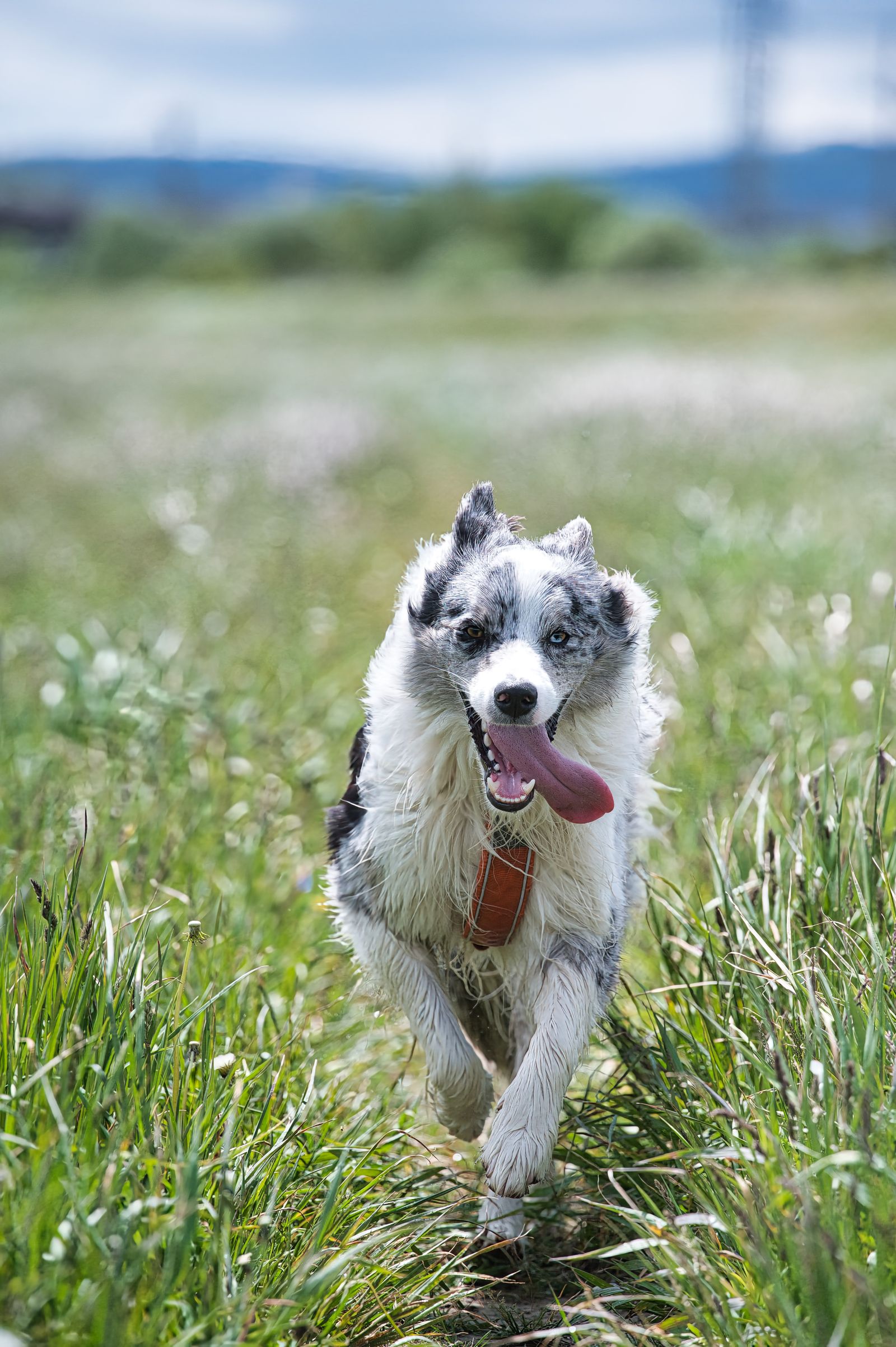
The principle: back to the natural prey animal
The dog descends from the wolf and still shares almost its entire genome with it, a powerful set of jaws and a short, acidic digestive tract, built for meat, not for grain.
The core idea of raw feeding is therefore to “rebuild” a natural prey animal. It is not about playing wolf, it is about giving the dog fresh, unprocessed food that suits its body.
The five building blocks of a meal
Muscle meat
The base and most important protein source
Organ meat
Vitamins and trace elements
Raw bone content
Calcium, never cooked
Vegetables & fruit
pureed, as a source of fibre
Supplements
Oils and algae to fill gaps
Rough guide: 80 percent animal, 20 percent plant
Balance develops over time
A common misconception is that every single meal has to be perfectly “complete and balanced”. What matters is balance across several days and weeks, the body stores nutrients and draws on them when needed. That takes a lot of pressure off the start.
Natural does not mean complicated
Once you know the basics and settle into a routine, or use ready made fresh menus, feeding takes only a few minutes a day. For puppies of large breeds, pregnant bitches, sick or elderly dogs the composition is sensitive: please coordinate with your veterinarian.
All topics at a glance
From the first bowl to the right amount, here you can jump straight to the individual topics.
BARF for Beginners
The relaxed start into raw feeding, step by step.
Learn more →Feeding & Amount
How much does your dog need? Amounts and the five components.
Learn more →Nutrients
What meat, bone, organs and oils provide.
Learn more →Transition
Switch to BARF gently and without stress for the stomach.
Learn more →Health & Life Stages
Puppy, senior and sensitive stomach in focus.
Learn more →Myths Fact-Checked
What is really true and what is not.
Learn more →Where does the meat come from?
One of the most common questions when starting out: which meat is suitable at all, and where do I get it without a fixed supplier? We cover both in detail, from the type overview to butcher, slaughterhouse and clever saving tips.
Your path into raw feeding
Start with the beginner’s guide and work out the right amount of food for your dog.
Sources & further reading
- Ian Billinghurst: Give Your Dog a Bone. Coined the term BARF.
- Tom Lonsdale: Raw Meaty Bones.
- Kymythy Schultze: Natural Nutrition for Dogs and Cats.
- Carina Beth Macdonald: Raw Dog Food: Make It Easy for You and Your Dog.
Note: This article is for general information and does not replace veterinary advice. For health questions or special life stages, please consult your veterinarian.