
NATURE FIRST · HEALTH
Dental Care for Dogs: Preventing Tartar
Healthy teeth do not hurt and save expensive treatment. With simple care you can prevent tartar and gum problems.
Tartar and inflamed gums are among the most common problems in dogs. They cause pain and bad breath and can put a strain on the whole body over time. The good news: prevention is far easier and cheaper than having tartar removed at the vet later on.
The most effective approach is regular tooth brushing, supported by healthy chewing. This article does not replace veterinary advice, but it shows you how a simple routine can achieve a great deal.
At a glance
- Tooth brushing is the most effective prevention
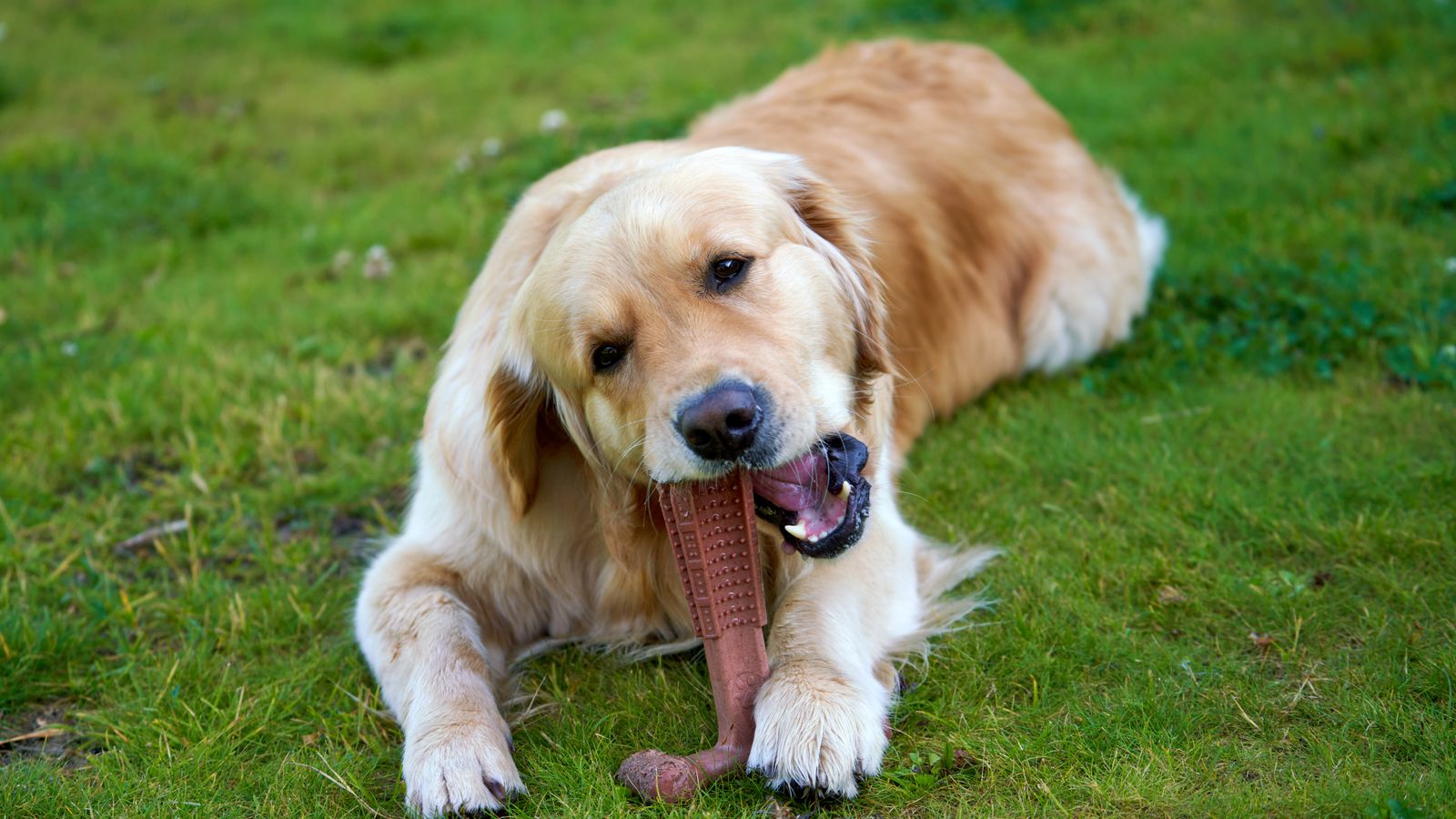
- Chewing keeps the teeth mechanically clean
- Use only special dog toothpaste
- Only the vet can remove tartar
Ways to healthy teeth
| Method | What it does | Tip |
|---|---|---|
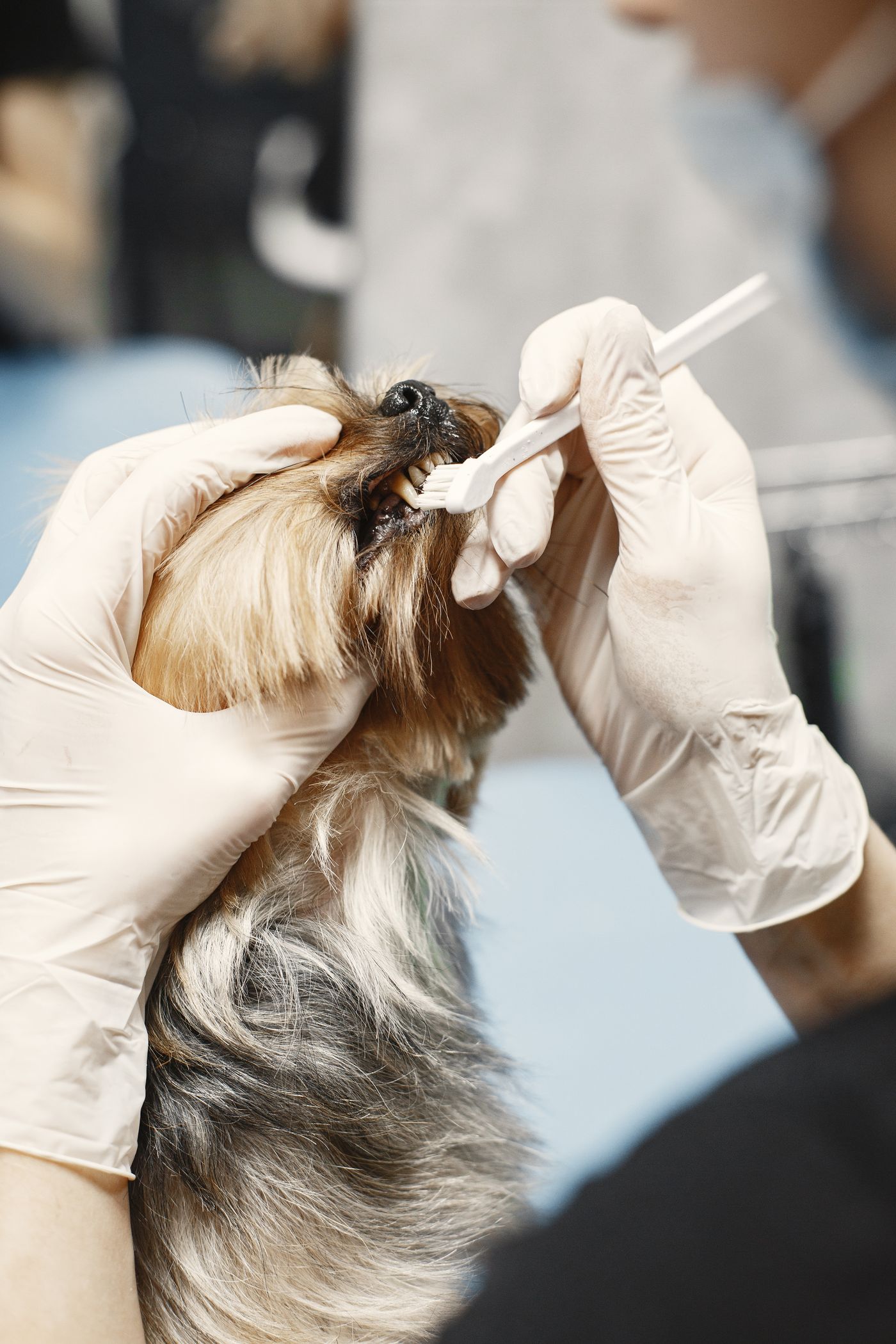
| Tooth brushing | Removes plaque before it turns into tartar. | Dog toothpaste only, get the dog used to it slowly, ideally every day. |
| Chewing | Rubs plaque off mechanically and keeps the dog occupied. | Suitable chews to match the size, nothing too hard. |
| Suitable diet | Supports oral health and general condition. | Make sure feeding is balanced. |
| Vet check-up | Spots problems early, removes tartar properly. | Have the mouth looked at during the yearly check. |
When to see the vet?
Strong bad breath, visible tartar, reddened or bleeding gums, loss of appetite or chewing on one side should be checked by a vet. Tartar can only be removed safely at the practice. Important: never use toothpaste made for humans, it can contain substances that are harmful to dogs.
Dental care routine
How to get the dog used to it
- Get the dog used to having its mouth touched in small steps, with praise and patience
- First a finger with a little dog toothpaste, then a soft brush
- Short, regular sessions instead of long ones
- Offer suitable chews as a supplement
- Look into the mouth regularly and watch for changes
Frequently asked questions
How often should I brush the teeth?
Ideally every day, but at least several times a week. Regularity matters more than the perfect number.
Which toothpaste is suitable?
Only special dog toothpaste. Toothpaste for humans can contain substances that are not suitable for dogs.
Do chews help against tartar?
Chewing supports cleaning, but it does not replace brushing. Choose chews to match the size and nothing too hard.
How do I recognise dental problems?
Bad breath, tartar, reddened gums, loss of appetite or careful chewing are warning signs. In that case, see the vet.
More knowledge about dogs
From healthy feeding to a safe environment, here you will find clear, easy guides.