NATURE FIRST · HEALTH
Bloat (GDV) in dogs: signs and prevention
Bloat with gastric torsion is one of the few true emergencies where minutes decide between life and death. Knowing the signs is the most important protection.
If you suspect it, go to the clinic at once
In gastric torsion the stomach twists around its own axis, the entrance and exit are pinched off and gases build up. Untreated, this leads to death within hours. If the signs described below occur together, drive straight to the nearest animal hospital and call them on the way. Every minute counts here, do not wait.
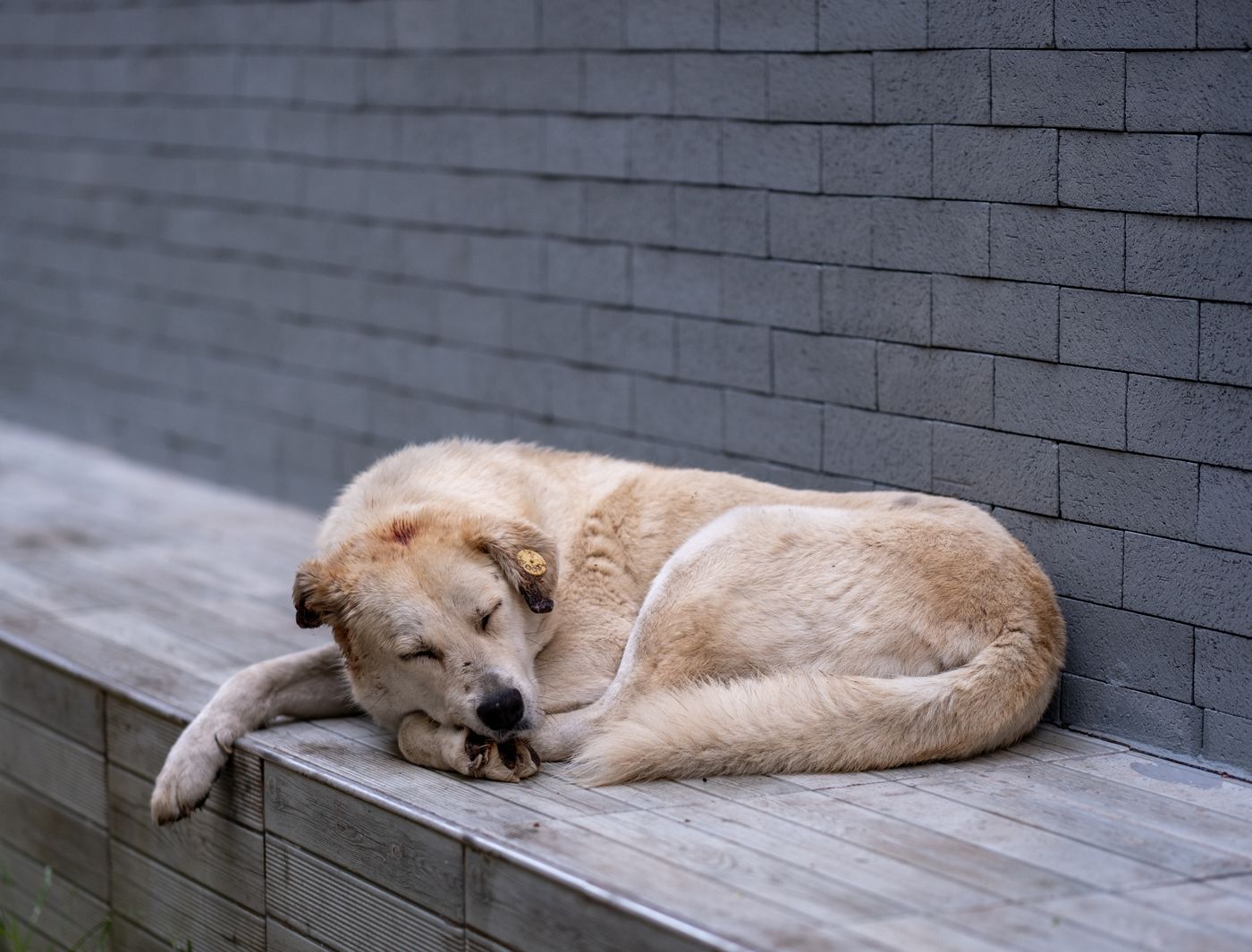
Especially at risk are large breeds with a deep, narrow chest such as the Great Dane, German Shepherd, Boxer or Setter. It can, however, affect any dog. The good news: a large part of the risk can be lowered through a few habits.
These signs together are the alarm signal
Bloated and hard
The belly bulges visibly and feels tight, almost like a drum. This is the clearest sign.
Unproductive vomiting
The dog retches but nothing, or only thick mucus, comes up. Often accompanied by heavy drooling.
Restlessness and weakness
Constantly getting up, lying down, pacing about, whining, later weakness, pale gums and rapid breathing.
What raises the risk
| Factor | Why it plays a role |
|---|---|
| Body shape | Large breeds with a deep, narrow chest have more room in which the stomach can twist. |
| One large meal a day | A large portion stretches the stomach considerably. Two to three smaller meals are more favourable. |
| Hasty gulping | Gulpers swallow a lot of air with their food. A slow-feeder bowl slows the pace. |
| Exercise right after eating | Romping, jumping and rolling on a full stomach encourage the torsion. |
| Stress, age and predisposition | Excitement, older age and a family history also count as risk factors. |
How to lower the risk
Bloat can only be fully prevented by a preventive operation, the gastropexy, in which the stomach is fixed to the abdominal wall so that it can no longer twist. It is mainly an option for highly at-risk breeds and is sometimes carried out at the same time as neutering. For everyday life, these habits help:
In everyday life
- Split the daily ration into two to three smaller meals
- Slow down gulping with a slow-feeder bowl
- One to two hours of rest after eating, no romping and no wild games
- Provide calm before eating too
- For at-risk breeds, discuss the preventive gastropexy with your vet
Frequently asked questions
Does dry food encourage bloat?
Dry food swells in the stomach afterwards, especially if the dog drinks a lot and eats hastily afterwards. A link is debated. More important than the type of food are portion size, eating speed and rest afterwards.
Does a raised bowl help?
This is disputed. Older studies saw a higher risk from raised bowls, newer ones contradict this. A raised bowl therefore cannot be recommended across the board for prevention.
Can I do anything myself in an emergency?
No, bloat can only be resolved surgically at a clinic. The only thing that counts is the fastest possible transport there and a phone call in advance.