
NATURE FIRST · HEALTH
Your dog grows old: what changes and how you help
A Great Dane is a senior at six, a miniature poodle only at ten. When old age begins and what matters then.
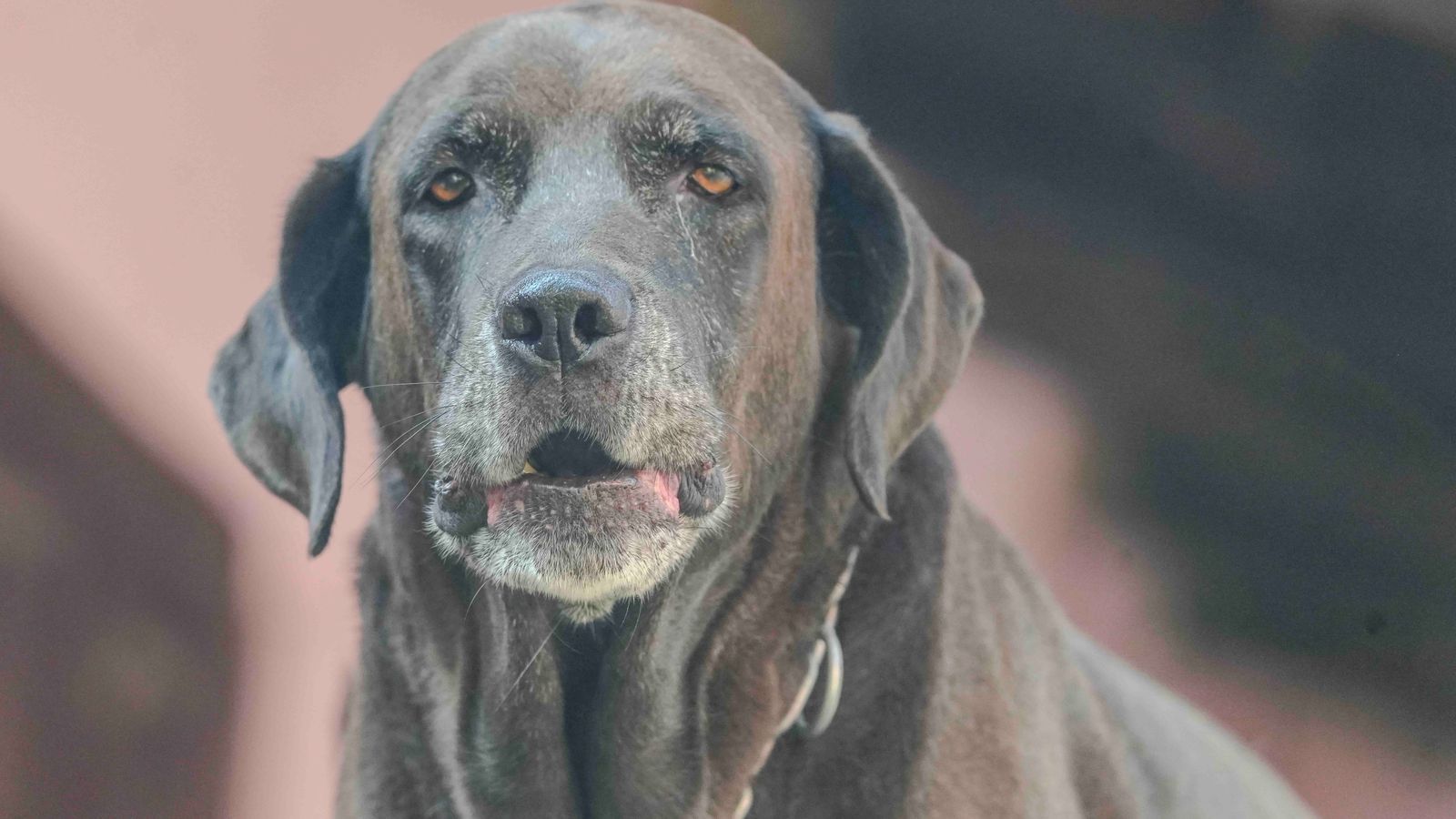
Dogs age at different speeds, above all according to size. When the first grey hairs appear and the dog becomes a little calmer, it does not need a different kind of love, but a few adjustments. Those who notice changes early and adapt the surroundings give their dog relaxed senior years.
From when is a dog a senior?
| Size | Senior from roughly | Examples |
|---|---|---|
| Small breeds | 10 years | Miniature poodle, Bichon, Dachshund |
| Medium breeds | 8 to 10 years | Beagle, Border Collie, Cocker Spaniel |
| Large breeds | 7 years | German Shepherd, Labrador, Golden Retriever |
| Giant breeds | 5 to 6 years | Great Dane, Irish Wolfhound, St Bernard |
Typical signs of growing older
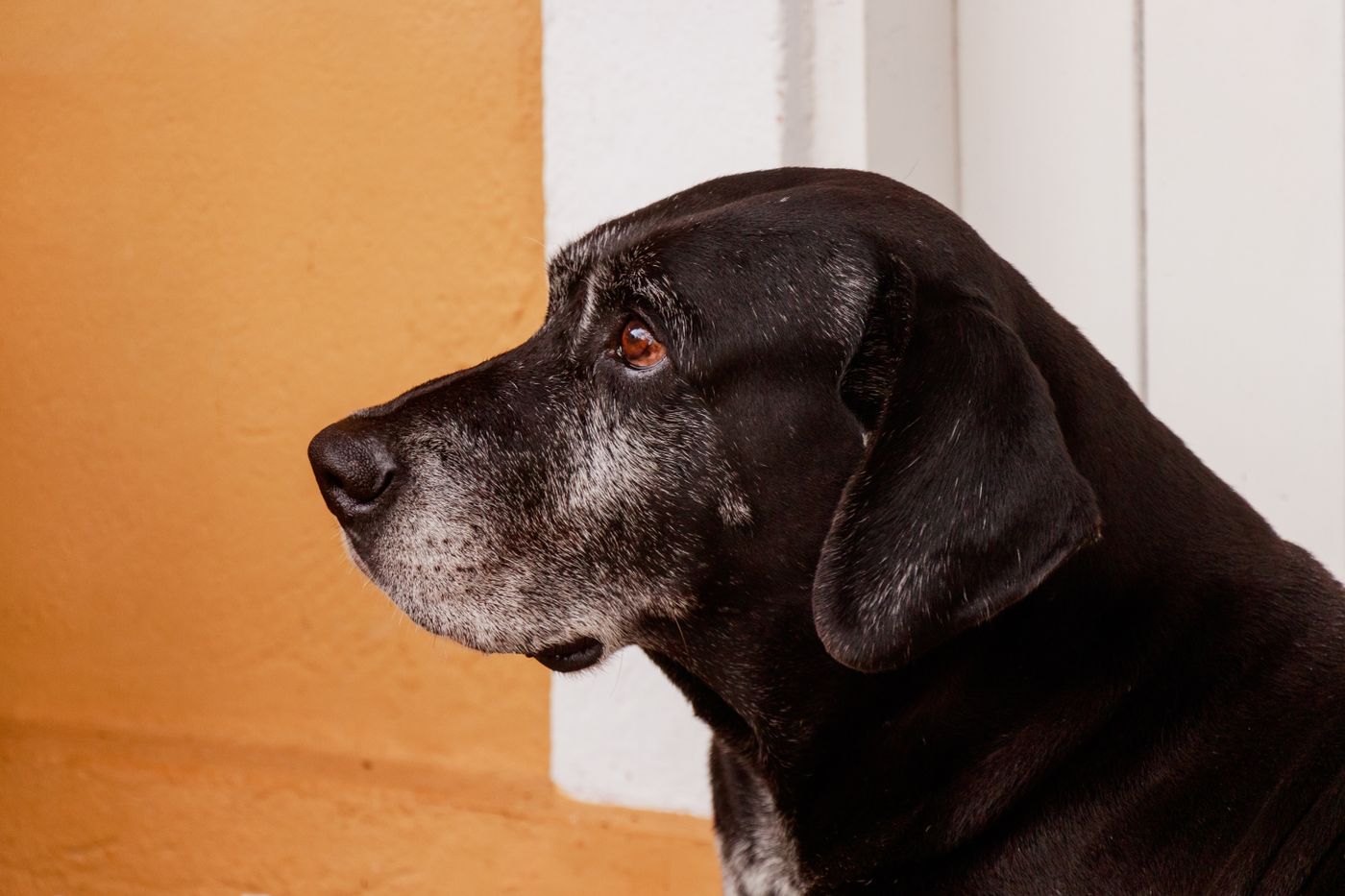
Grey muzzle, cloudy eyes
Grey hairs on the face and a slight clouding of the eyes are part of normal ageing.
Stiffer, slower
Getting up takes longer, jumps and long outings become harder. More sleep is normal.
Hearing and sight decline
The dog reacts less to calls or startles more quickly. Visual signals then often help more than words.
Adjusting nutrition and comfort
The metabolism slows down, and energy needs in old age often drop by around 10 to 25 percent. If the portion stays the same, the dog gradually becomes overweight, which puts extra strain on the joints and heart. Usually sensible is a somewhat lower-fat, easily digestible diet with enough protein, split into several small meals.
What does a senior good
- Adjust portions to the reduced need, keep the ideal weight
- Several small, easily digestible meals
- A soft, orthopaedic resting place against pressure sores
- Non-slip mats on smooth floors
- Gentle, regular exercise in short outings
- Keep challenging: sniffing games and small tasks keep the mind fit
Not everything is “just old age”
Sudden weight loss, markedly more drinking, reluctance to move, disorientation or changes in temperament should be investigated. Much, from arthritis to organ issues, can be treated well if you act early. Older dogs benefit from somewhat more frequent check-up appointments.
Frequently asked questions
My dog is getting calmer, is this already dementia?
A little more rest is normal. Only disorientation, night-time restlessness or no longer recognising familiar routines are warning signs that should be investigated.
Should I switch to senior food?
Often an adjusted, easily digestible diet with less energy makes sense. Whether a special senior food is needed depends on the individual dog.
How much exercise can an old dog handle?
Regular, but measured. Several short outings spare the joints more than one long trek, but you should not stop the exercise altogether.