
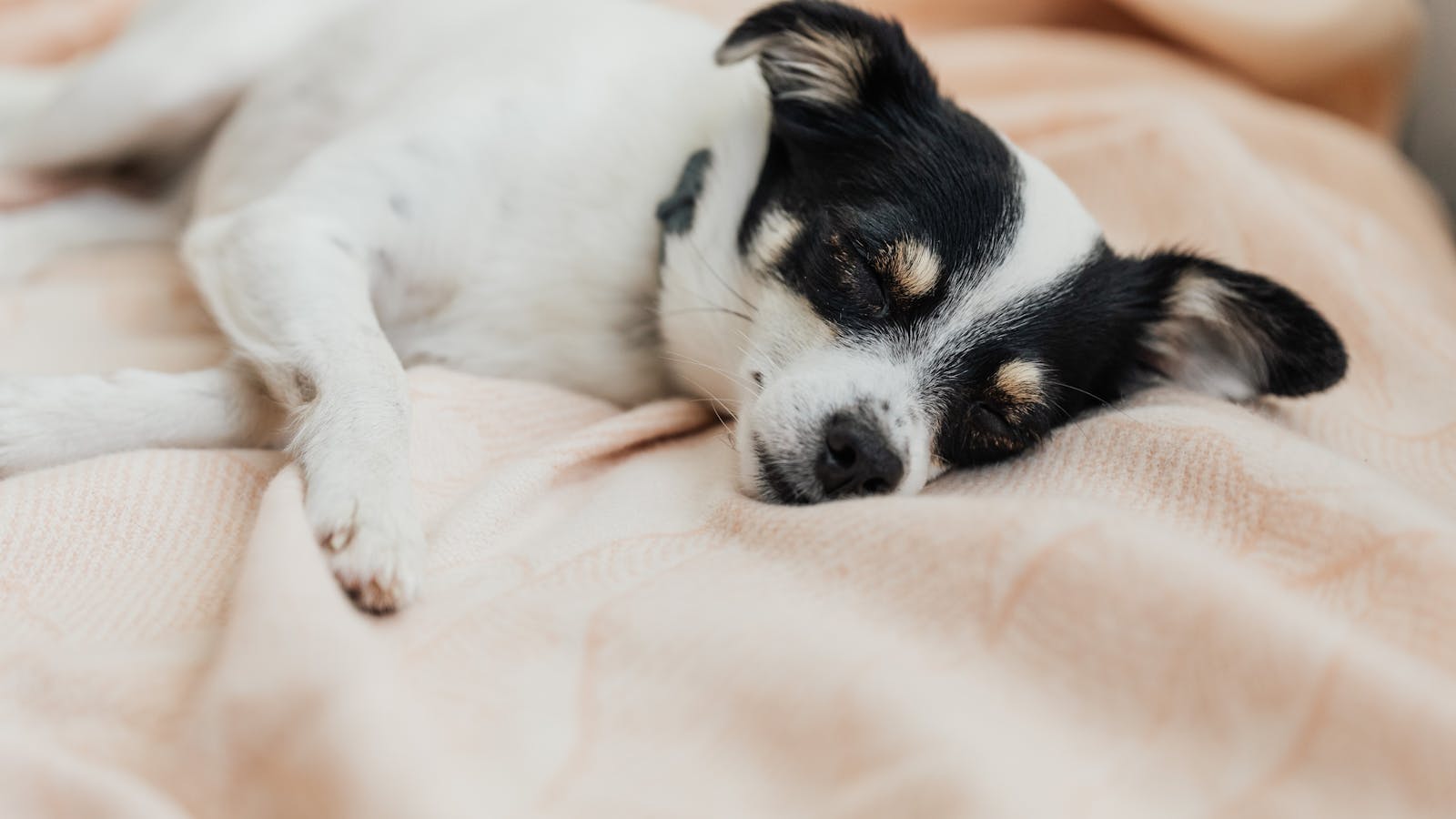
NATURE FIRST · SEASON
New Year with a Dog: Calm Through the Fireworks
Rockets and firecrackers are hard on many dogs. With good preparation, New Year’s Eve becomes much more relaxed for your dog.
Their sharp hearing makes fireworks especially unpleasant for dogs. Many react with trembling, panting, hiding or the urge to run away. You can make the night easier for your dog by providing safety, a place to retreat and calm, and by shielding the stimuli as much as possible.
For very anxious dogs, it is worth talking to your veterinarian well in advance. This article does not replace veterinary advice.
At a glance
- Prepare a safe place to retreat
- Walk the dog before nightfall
- Close windows, shutters and curtains
- Keep the dog secure, do not let it off the lead outdoors
What helps against New Year’s stress
| Measure | Why it helps | Tip |
|---|---|---|
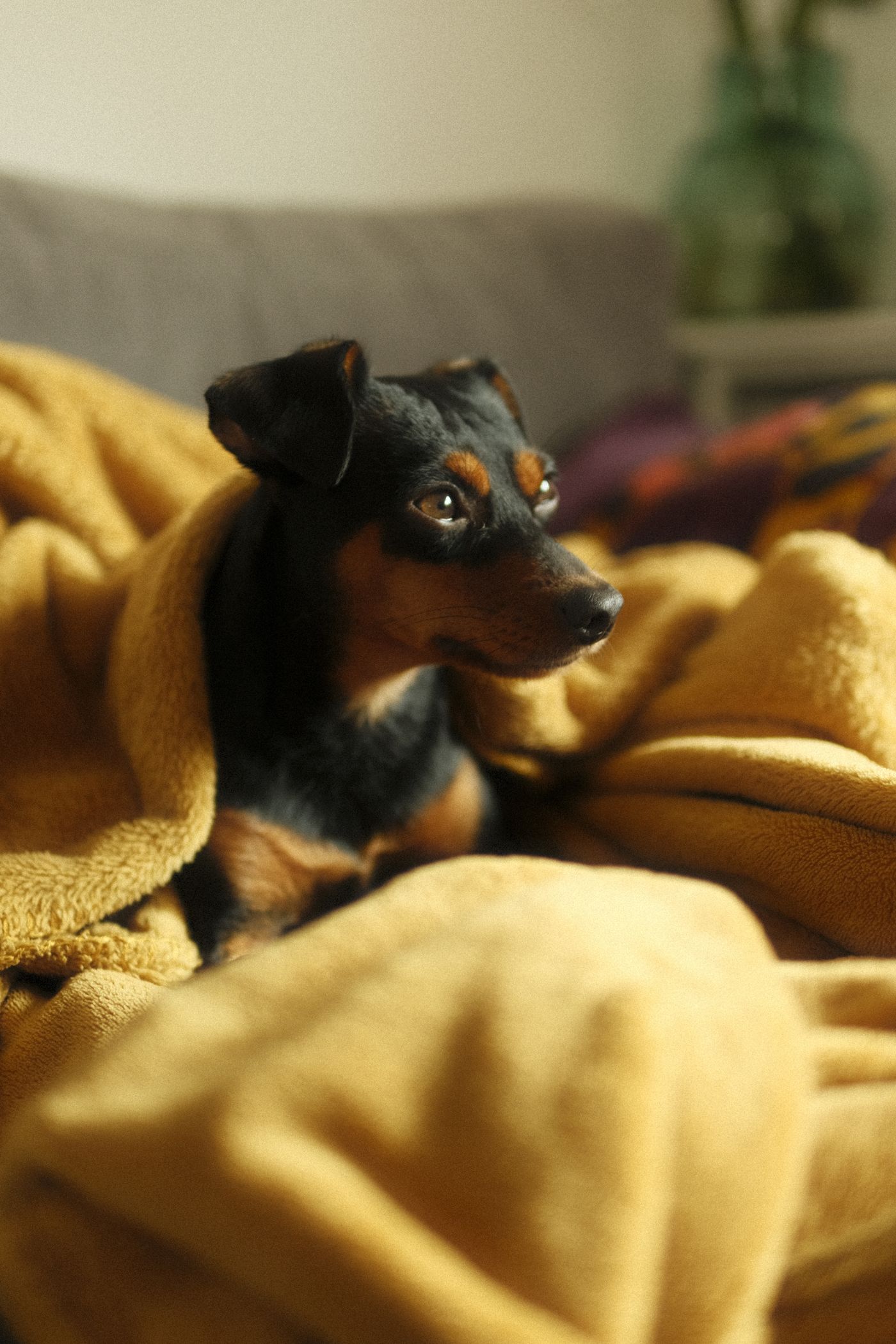
| A place to retreat | A den gives security and dampens the noise. | A blanket over a crate or favourite spot, a quiet corner without windows. |
| Mask the noise | Steady background sound softens the banging. | Radio or quiet music, windows and shutters closed. |
| Walk early | Before dusk it is usually still quiet. | Final walk well before midnight, then stay indoors. |
| Keep on the lead securely | Dogs can run off in a panic. | A well fitted harness, keep the tag and microchip details up to date. |
| Radiate calm | Dogs take their cue from our mood. | Stay relaxed yourself, keep your normal behaviour. |
Important if anxiety is severe
If your dog reacts with strong panic, talk to your veterinarian in good time before New Year about sensible support. Never give any remedies on your own initiative or medicines meant for people. On New Year’s Eve, make sure the dog cannot escape, many animals run away from fear on this night.
Checklist for New Year’s Eve
Well prepared
- Set up the place to retreat before it all starts
- Final walk before dusk
- Close windows, shutters and curtains, leave the light on
- Radio or music as a sound backdrop
- Keep microchip details and the address on the collar up to date
- Stay calm yourself, offer the dog closeness if it seeks it
Frequently asked questions
May I comfort my dog when it is afraid?
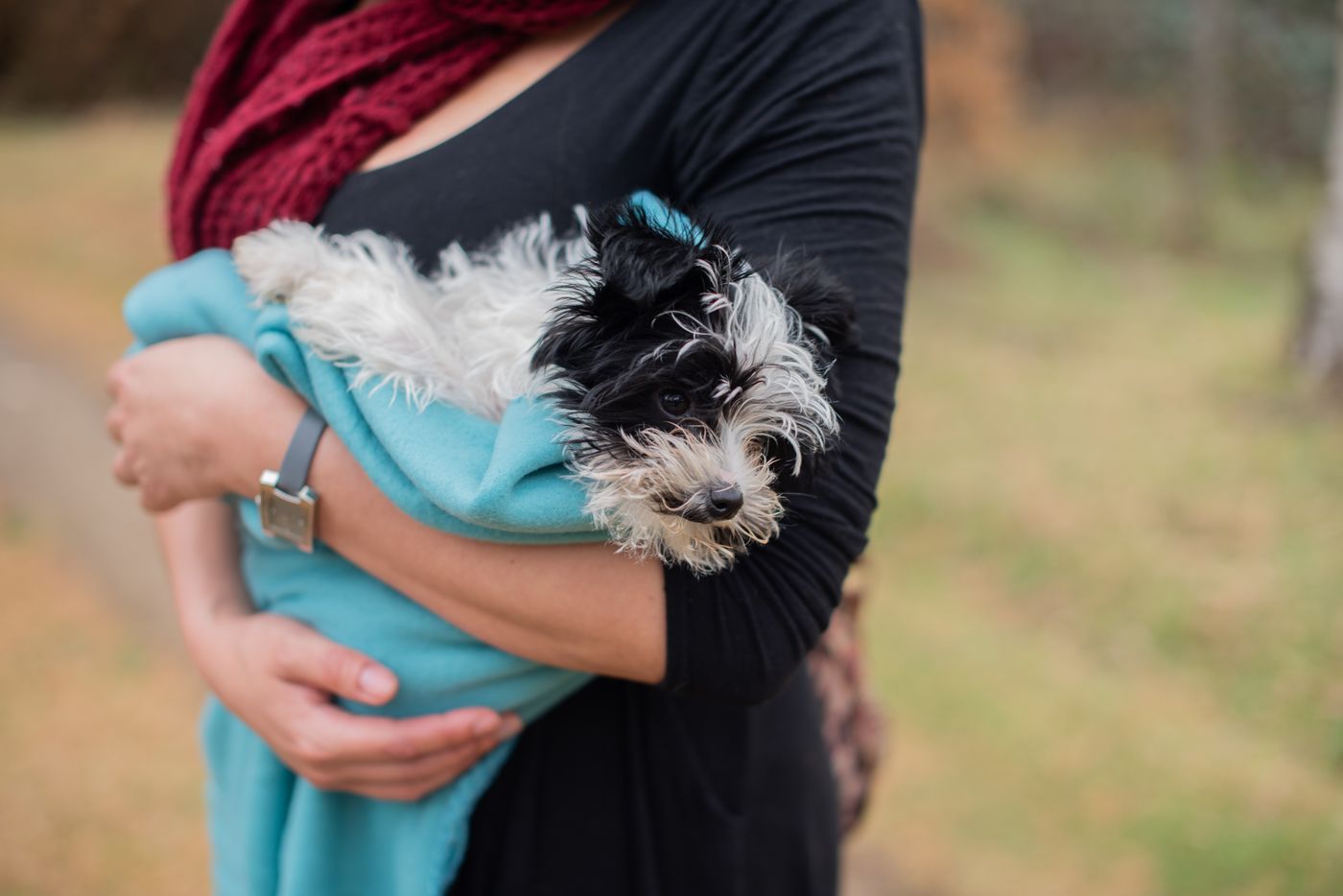
Yes. You do not reinforce fear by calmly offering closeness. Stay relaxed and provide a safe place, but do not force yourself on the dog.
Should I give a sedative?
Only after consulting the vet. Never give remedies meant for people or anything on your own initiative.
When is the best time to walk the dog?
Before nightfall, when it is usually still quiet. After that the dog stays indoors and is only let into the garden under supervision.
My dog wants to hide, is that a bad sign?
No, hiding is normal protective behaviour. Let the dog have its place to retreat and do not force it out.
More knowledge about your dog
From healthy feeding to a safe environment, here you will find easy to follow guides.