
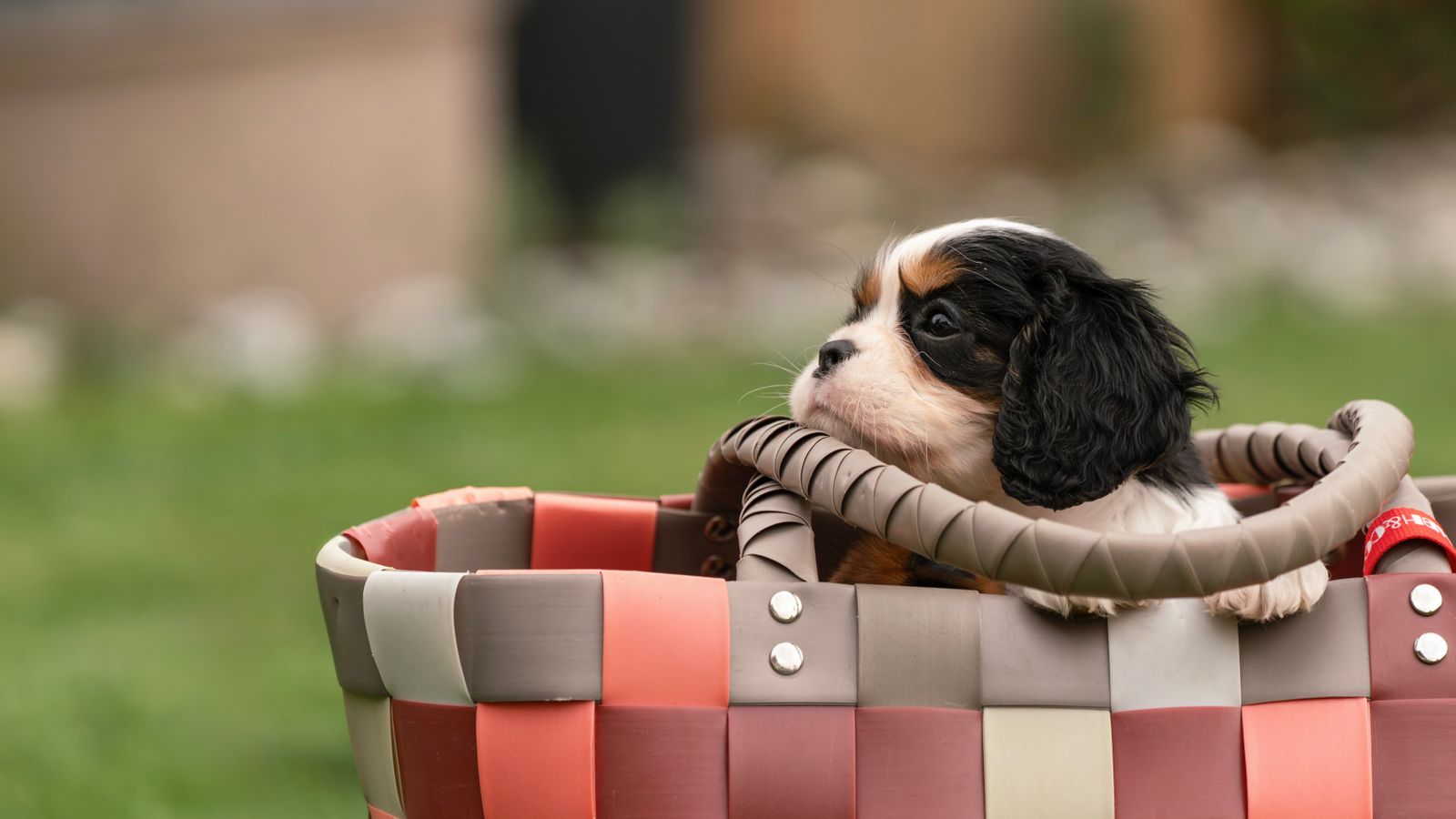
NATURE FIRST · EVERYDAY LIFE
Puppy starter kit: the essentials
The industry loves to sell you a full car. In truth a puppy needs little equipment, but plenty of calm and smart feeding.
Before a puppy moves in, the temptation to buy half the pet shop is strong. Yet what counts is a few good things, and setting the right course for calm, routine and food. Especially with the feeding of large breeds, expensive mistakes are made that only show up months later.
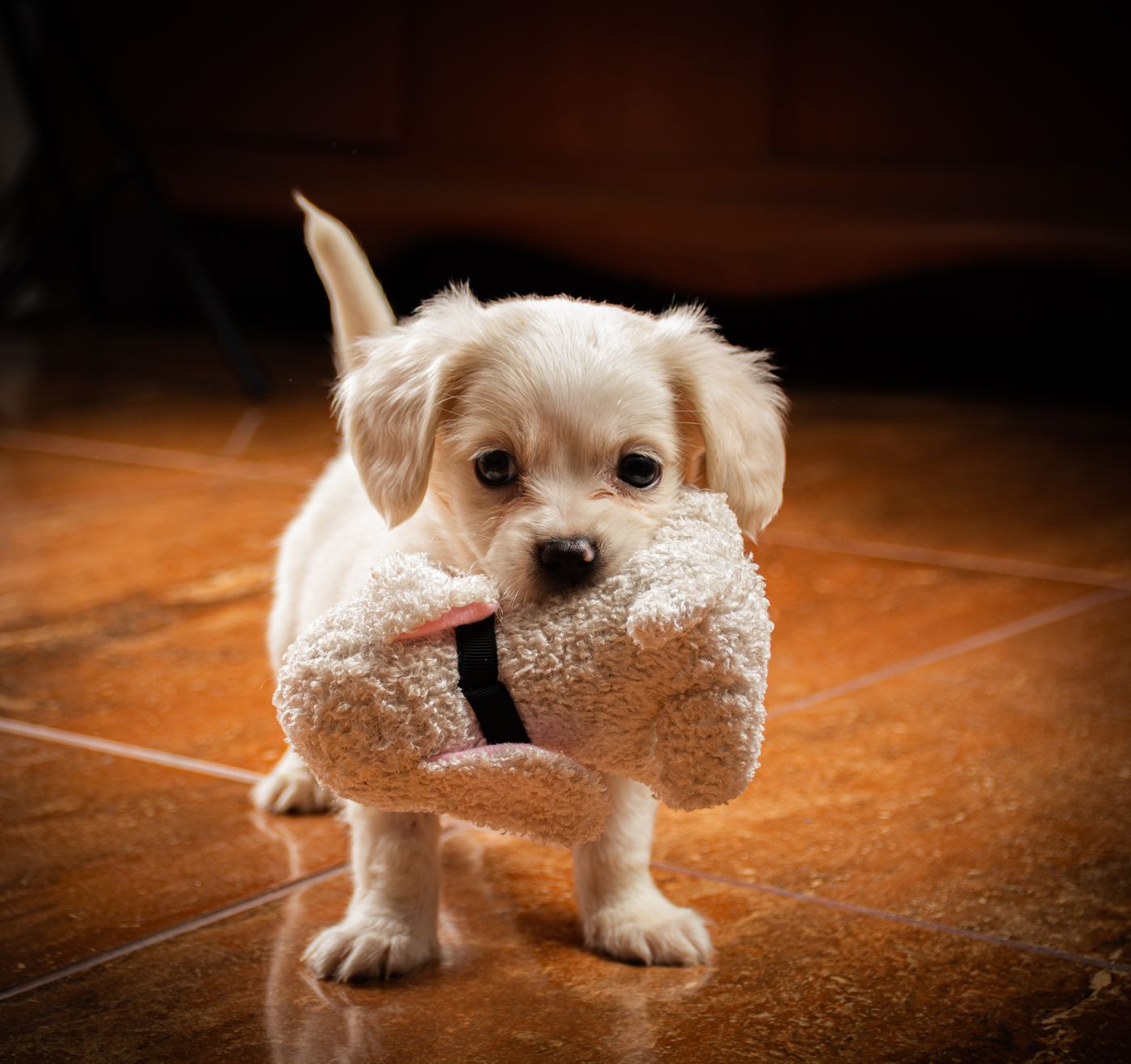
What really belongs on the list
Resting spot and blanket
A basket or a blanket in a quiet, draught-free place. The puppy should be allowed to sleep there undisturbed.
Bowl and water
A stable food bowl and a water bowl that is always filled. Stainless steel is easy to care for.
Harness and a light lead
A well-fitting harness and a light lead. At first short, calm walks are enough.
A few sturdy chews
Better a few safe, puppy-suitable chews than a mountain of toys.
Soft brush
A soft brush to match the coat, to get the puppy used to being handled early.
A puppy-proof home
Secure cables, clear away sources of poison. Take one look around the home at puppy height.
The most important point: feeding
A puppy grows rapidly, and this is exactly where the most consequential mistakes happen. What matters is not as much as possible, but the right measure. For supply, the ratio of calcium to phosphorus is especially important, and during growth it should be around 1.2 to 1 up to 1.5 to 1. A good food tailored to puppies already brings this with it, and then nothing should be added on top, above all no extra calcium.
Take particular care with large breeds
The most common mistake is too high an energy and food amount. The puppy then grows too fast, which in large breeds can damage the skeleton and joints. Too much calcium is just as harmful as too little. In the first weeks, have the type of food, the amount and the vaccination and worming plan agreed with your vet practice, who know the demands of your breed.
The first weeks
Allow rest
Puppies sleep a large part of the day. Enough sleep is more important for development than a packed programme.
Provide routine
Fixed times for eating, walks and rest create security and make house-training easier.
Become house-trained
Go outside after sleep, food and play, praise every job done outside, ignore accidents indoors rather than scolding.
Socialise
Gently get the puppy used to people, sounds, surfaces and other dogs, always in small, positive doses.
Frequently asked questions
What should I buy first?
A sleeping spot, bowl, harness and lead, plus a few sturdy chews. Everything else can be added at leisure once you know your dog better.
How much does a puppy sleep?
A great deal, often around 18 to 20 hours a day. Overtired puppies become jittery, which is why real rest phases are so important.
Does my puppy need special puppy food?
A food tailored to growth makes the right supply much easier. Switching to adult food too early can encourage growth problems.