
NATURE FIRST · EVERYDAY LIFE
Dog Training: What Really Works
It is not dominance and strictness that get you there, but timing, reward and consistency. We clear up some old myths.
Good training is not a question of toughness, but of communication. Dogs repeat behaviour that pays off for them. Anyone who uses this, rewards with good timing and sets the same rules for everyone in the household gets further than with scolding. Stubborn misconceptions, however, often stand in the way first.
Four myths that stubbornly persist
“I have to show my dog who is boss”
The old dominance mindset is outdated. Dogs need no submission, but reliable rules and guidance. Trust beats intimidation.
“Punishment gets results the fastest”
Punishment mainly creates fear and insecurity. Rewarding desired behaviour is more effective and does not damage the relationship.
“An old dog cannot learn anything new”
Wrong. Adult and old dogs learn too, they just need a little more patience and repetition.
“He knows exactly what he did wrong”
The “guilty” look is a reaction to your mood, not a sense of guilt. A dog does not understand scolding after the fact, only immediate feedback works.
Building the first signals
Attention
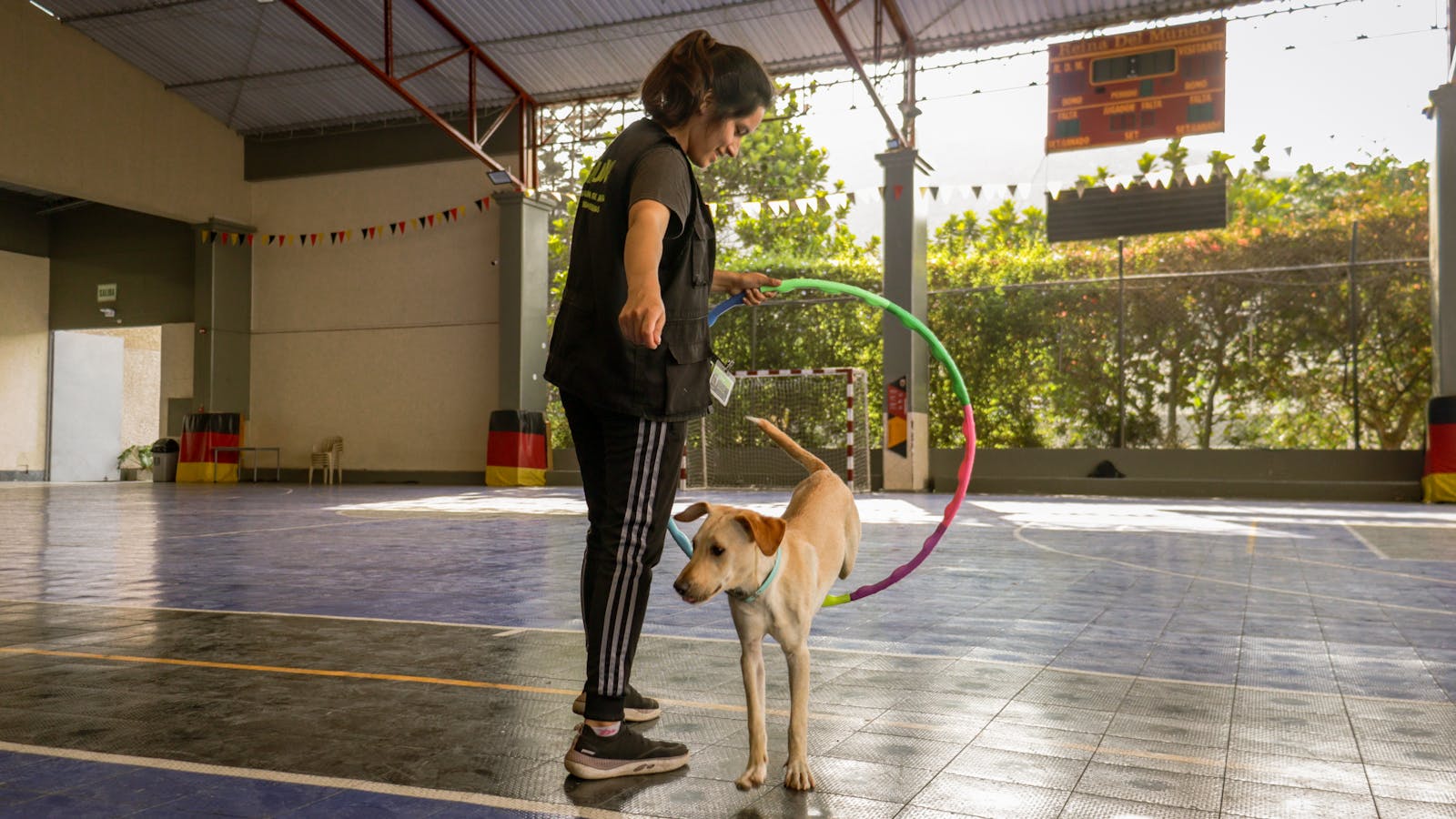
Say the name, and as soon as the dog looks at you, praise it right away. This teaches it that looking to you pays off.
Sit and down
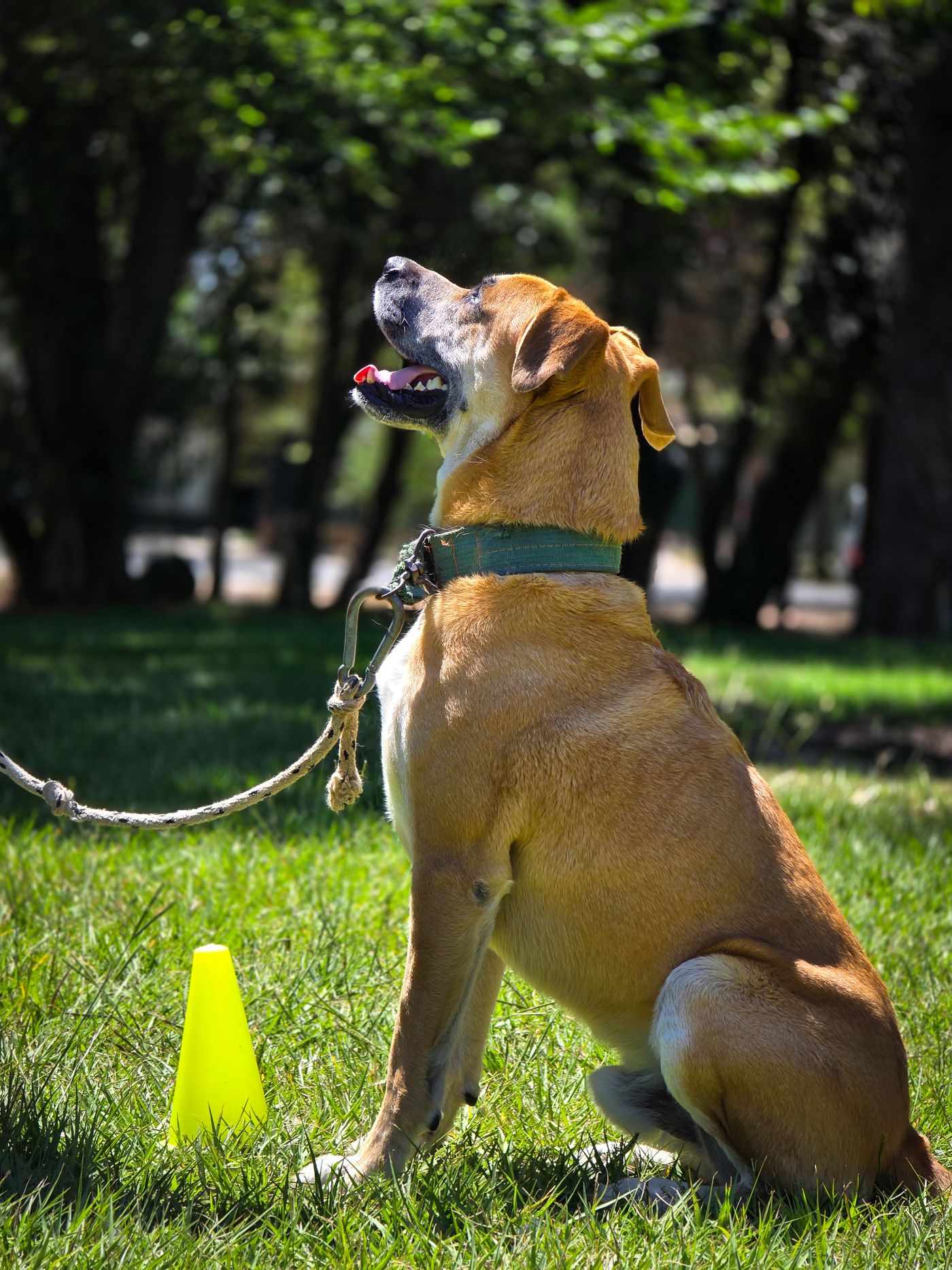
Lure with food, wait for the position, reward at the right moment. Only add a verbal cue later.
Recall
Practise from an early age, at first over short distances, and reward every recall. Never scold a dog for coming.
The lead
Reward a loose lead, stop when it pulls. Patient but consistent, then pulling does not pay off.
The basic principles
What makes the difference
- Reward instead of punish, at the right moment
- Timing: praise comes within one or two seconds
- Consistency: everyone in the household uses the same signals
- Short sessions, but several times a day
- Socialise early, get the dog used to new things gently
- Always finish on a successful note
What behavioural science says
Modern behavioural science backs exactly this approach. Cognitive ethologist Marc Bekoff puts it plainly: training is not a contest for rank, it is a form of education, and dogs should learn only through positive, force-free methods. The old dominance model is considered debunked, it is proven to be an ineffective training principle. Your relationship with your dog is not a struggle for dominance. It is perfectly fine if your dog goes through the door first or wins at tug of war.
Just as important: dogs are sentient individuals with rich emotional lives. Your mood carries over, it travels, as the saying goes, down the leash. Working calmly, kindly and with a warm, higher pitched voice achieves more than pressure. And there is no “universal dog”: it is not the breed that matters, but the individual animal. Watch your dog, learn its language and meet it halfway.
What the research clearly rejects
- Choke, prong and shock collars, they cause physical and psychological harm
- Dominance and submission exercises, with no proven benefit
- Punishment after the fact, the dog cannot link it to its behaviour
Frequently asked questions
When should I start training?
Right away. Puppies learn from day one, simply in short, positive and age-appropriate sessions.
Are treats bad in training?
No, they are a useful aid. Count them into the daily ration and gradually replace them over time with praise and play.
When is a dog school worth it?
A good, force-free dog school helps especially at the start and with uncertainties. If pain or fear might lie behind problematic behaviour, it is also worth a look at your veterinary practice.