

NATURE FIRST · NUTRITION
Chews for dogs: good choices, clear taboos
Chewing relieves stress, keeps a dog busy and helps care for the teeth. What matters is choosing the right items and knowing a few taboos.
Chewing is a genuine basic need for dogs. It calms them, occupies them over a longer time and, as a side effect, rubs plaque off the teeth. So that the pleasure does not become a risk, it is worth looking at which chews are suitable and which are better left on the shelf.
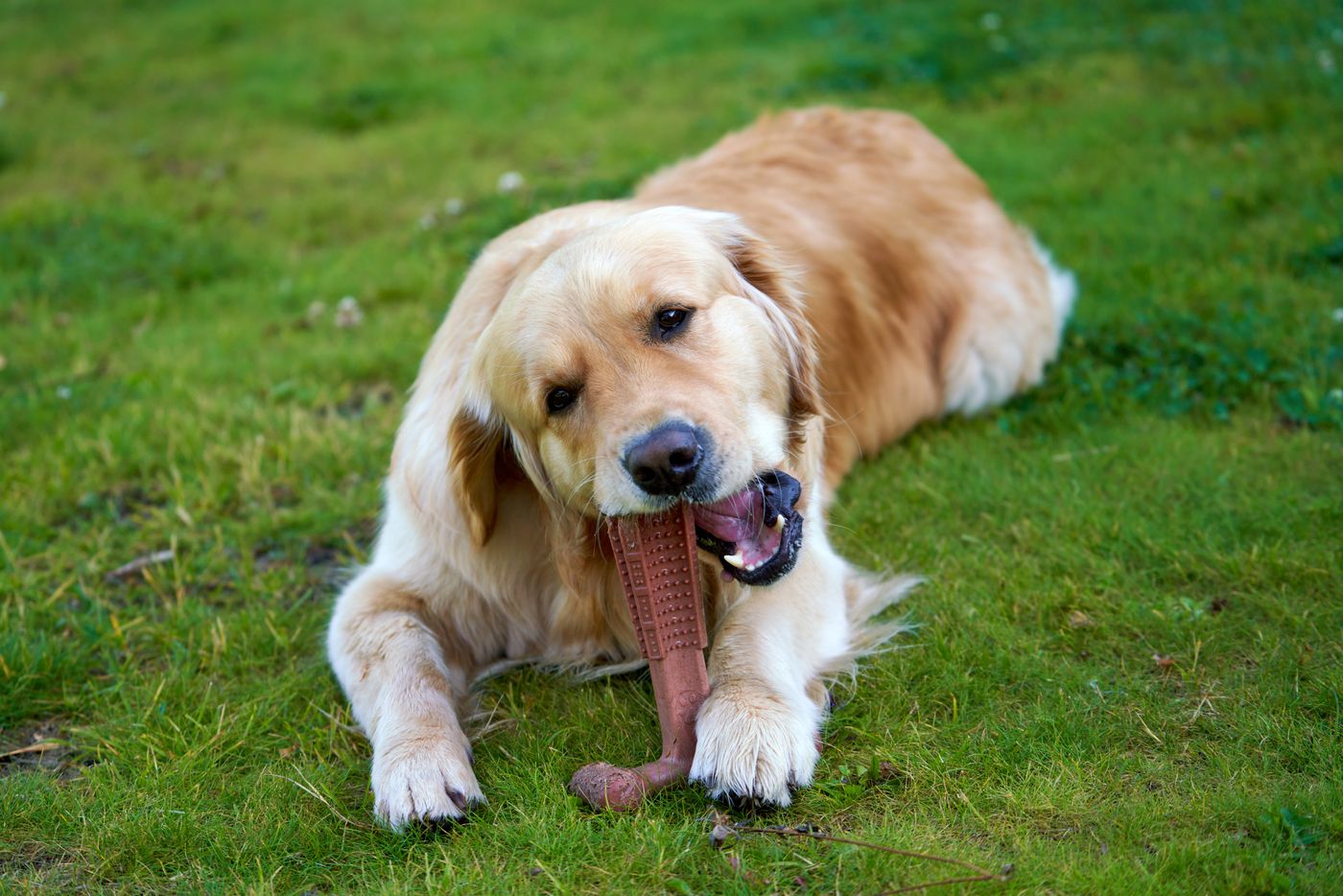
Proven natural chews
Beef head skin
Keeps a dog busy for a long time, cleans the teeth and massages the gums. Chewing also strengthens the jaw muscles.
Beef tendons, bully sticks
Tasty, encourage intensive chewing and are easily digestible. Ideal as a regular chewing snack.
Rabbit and horse ears
Considered hypoallergenic and well suited to sensitive or allergy-prone dogs.
Better to keep away from these
Bleached chews (rawhide)
Often treated with chemicals such as hydrogen peroxide or chlorine. They are hard to digest, can clump together, and larger swallowed pieces can become dangerous. Prefer untreated natural products.
Very hard antler pieces and bones
Anything extremely hard damages the teeth. Rule of thumb: if you cannot leave a mark with your fingernail, the item is too hard. Cooked bones splinter and are taboo.
Always under supervision
Only let your dog chew when you are there, and take away shrinking leftover pieces in good time, as they can be swallowed. If your dog hastily gulps large chunks or gags, stop the chewing.
How to give chews properly
The simple rules
- Choose size and hardness to suit the dog, nothing to be swallowed whole
- Prefer untreated natural products with a traceable origin
- Count the calories into the daily ration, otherwise the dog puts on weight
- Do the fingernail test, sort out anything too hard
- Always let the dog chew under supervision and take away leftover pieces
- For a sensitive stomach, introduce new items slowly
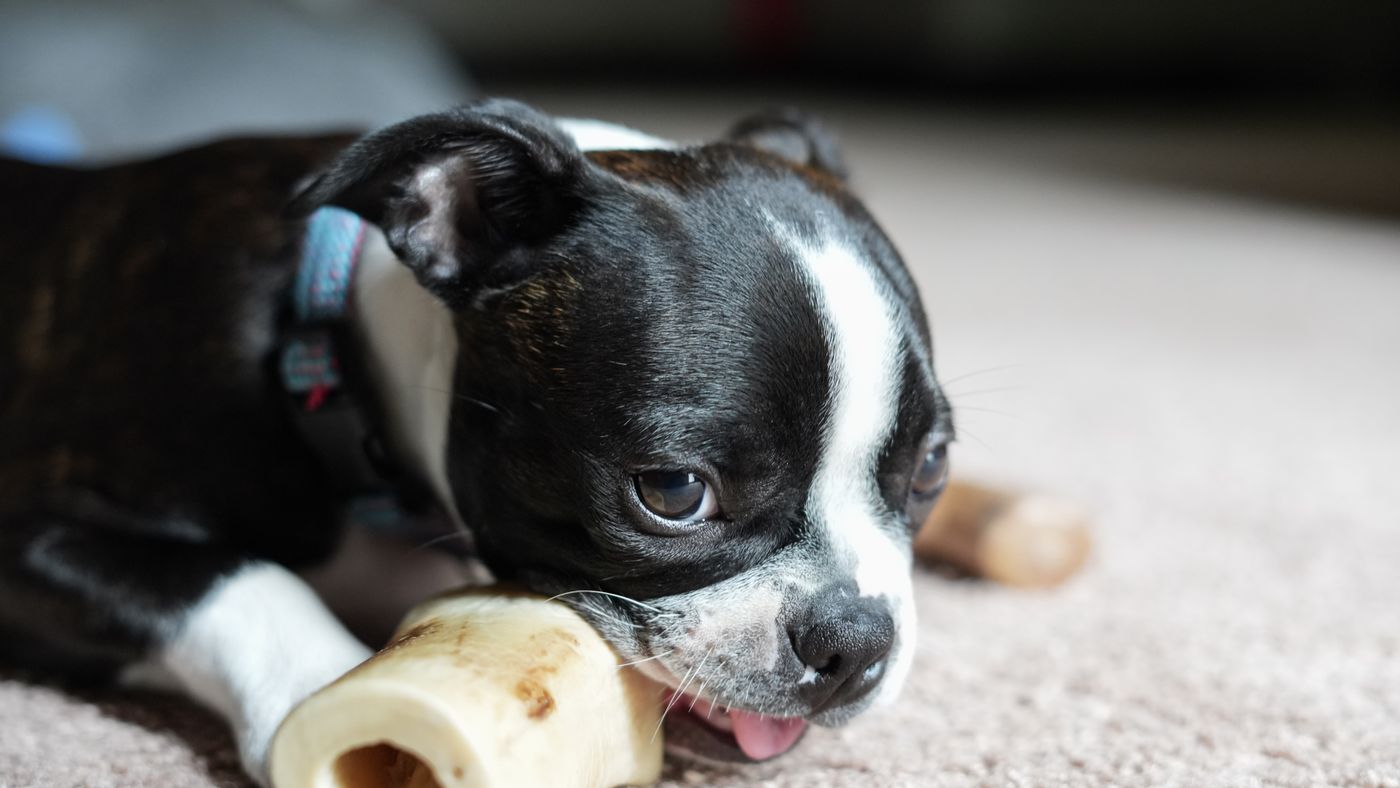
Frequently asked questions
Do chews replace dental care?
No, but they complement it well. Chewing mechanically rubs off plaque, yet it does not replace targeted tooth brushing or a check at the vet.
How often may my dog chew?
That depends on the size and type of item. Plan chews as part of the daily ration, then the calorie balance works out too.
Are chews suitable for puppies?
For puppies there are soft, specially suitable chews. Hard items are not yet right for the young teeth.